Column · @zionnvsa177
What Logan Homeowners Should Know About Roof Sealants
Roof sealants help protect vulnerable joints, penetrations and other details where water can enter a roof. For homeowners in Logan, Queensland, choosing the right product matters because strong sunlight, summer storms and humid conditions place ongoing demands on roofing materials. However, sealant is not a substitute for sound roofing, correctly installed flashing or effective drainage.
Roof Sealants and Roof Coatings Are Different
A roof sealant typically treats a specific detail, such as a joint around a vent or a connection between compatible materials. A roof coating covers a larger surface and may form part of a restoration or waterproofing system. Products are not interchangeable: something suitable for a concrete roof tile may be unsuitable for coated steel or an existing waterproof membrane.
Before approving work, ask whether the proposed treatment addresses a confirmed defect or simply changes the roof’s appearance. Concrete tiles do not automatically need recoating because they look faded, and coating a roof does not correct broken tiles, deteriorated underlay or poorly designed flashing.
Choosing a Sealant for Logan Conditions
Product selection should account for roof material, ultraviolet exposure, movement as surfaces heat and cool, and the manufacturer’s application requirements. Logan’s humid weather and storm activity also make drying conditions important.
- Check compatibility: Obtain confirmation that the sealant suits the roofing material, existing finish and any previous coatings. For metal roofing, use the roof manufacturer’s recommended sealant chemistry; some acidic-curing products can damage metals.
- Allow for movement: Metal sheets expand and contract. A suitable flexible sealant must be used within its specified joint dimensions and movement limits.
- Check weather restrictions: Follow requirements for surface dryness, temperature, humidity and rain-free curing time. A surface that feels dry may still hold moisture in joints.
- Understand water exposure: Not every sealant or coating tolerates standing water. Persistent ponding requires investigation rather than repeated surface applications.
- Request documentation: Ask for the product technical data sheet, preparation method, warranty conditions and maintenance instructions.
Preparation Determines How Well Sealant Performs
Loose paint, dirt, biological growth, corrosion and failing sealant can prevent adhesion. Proper preparation may include removing incompatible material, treating corrosion and applying a specified primer. Adding a fresh bead over a failing joint often leaves the underlying problem unresolved.
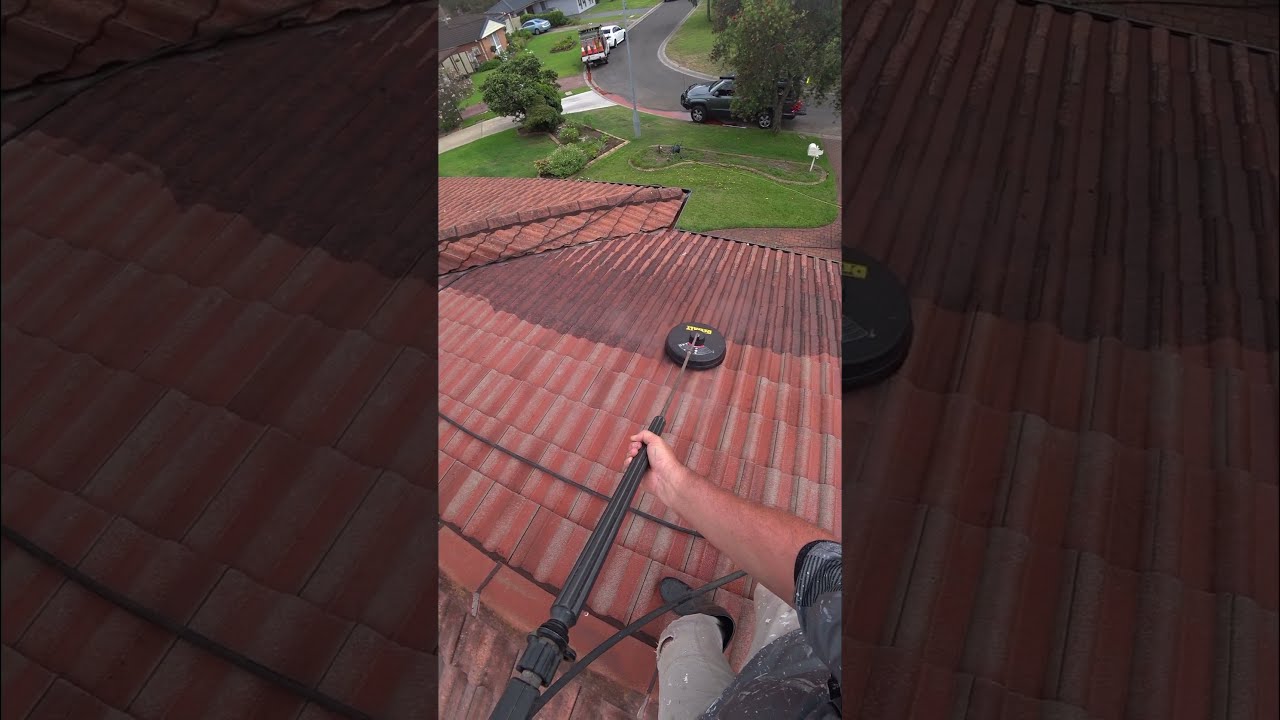
Roof cleaning must also suit the surface. For example, Colorbond roof cleaning should follow the roofing manufacturer’s care guidance rather than rely on aggressive chemicals or excessive pressure. An eco-friendly roof cleaning claim does not, by itself, establish that a cleaning method is safe for roofing, gardens or rainwater collection systems.
Do not pressure-clean suspected asbestos-containing roofing. Older Logan properties may contain asbestos materials, so arrange assessment before cleaning, drilling or restoration work. Roof access also presents serious fall risks and is best left to appropriately equipped contractors.
Fix Drainage Problems Before Sealing
Water entry can originate away from the visible ceiling stain. Overflowing gutters, blocked valleys, damaged flashings and poorly positioned penetrations can all contribute. An inspection should identify the water pathway before any sealant is applied.
Regular gutter cleaning and gutter maintenance support exterior water management. Where needed, gutter repair, gutter downspout repair or gutter replacement may address overflow more effectively than sealing nearby roof joints. Gutter guard installation can reduce some debris accumulation, but gutter protection systems still require inspection and cleaning.
Effective home exterior protection also depends on lawful stormwater discharge and foundation water diversion. Roof sealants are only one part of building envelope protection, not a comprehensive drainage solution.
Consider Solar Panels and Reflective Coatings
If your roof carries solar panels, coordinate restoration work with qualified roofing and solar professionals. Sealant should not be smeared around mounting points as a substitute for correctly detailed flashing. Expert solar panel services may be needed where access, electrical isolation or panel removal is required.
Reflective roof coatings can reduce solar heat absorption, but their value as energy efficiency solutions depends on the roof system, insulation, ventilation and building use. Request evidence for the specific product rather than accepting guaranteed electricity savings.
What to Ask Before Hiring a Contractor
Request a written diagnosis, photographs of defects and an itemised scope separating repairs, cleaning and coating. Check insurance and verify any Queensland Building and Construction Commission licensing requirements applicable to the work. Ask whether the warranty covers materials, workmanship or both, and what exclusions apply.
For Logan homeowners, the best approach is straightforward: repair the cause, prepare the surface correctly and use a compatible product. Inspect https://elliottkwgf688.summitquill.com/posts/how-to-spot-roof-algae-before-it-damages-your-tiles the roof safely from ground level after major storms and arrange professional assessment when leaks, displaced materials or recurring overflow appear.
Logan Roof Cleaning Pros
Unit 8 13/15 Ellerslie Rd, Meadowbrook QLD 4131, Australia
(07) 4803 1388